
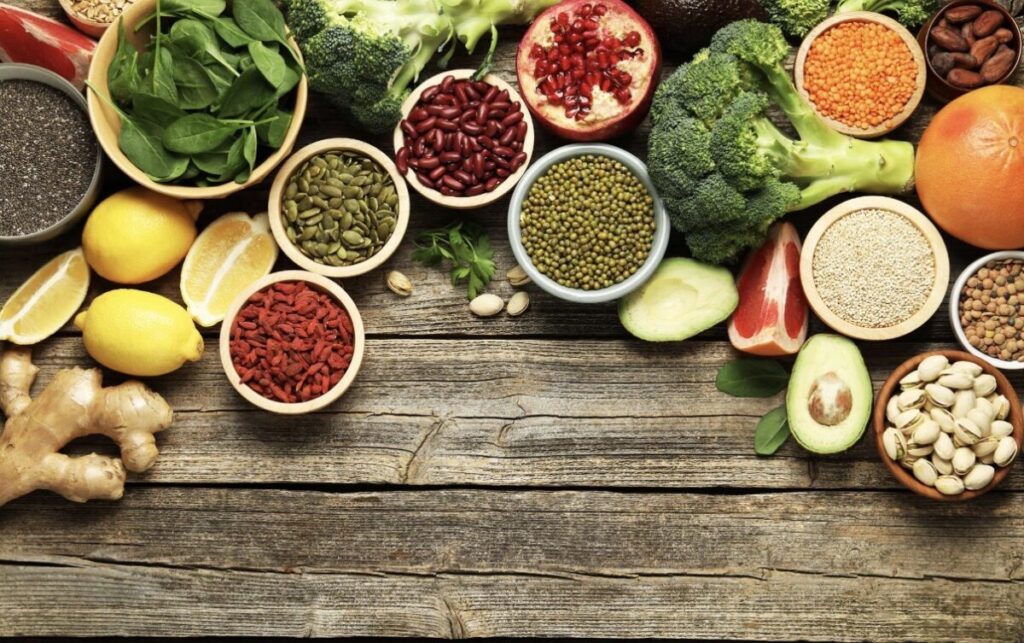
Iron deficiency is one of the most common nutritional concerns among vegetarians in India. Choosing iron-rich foods for vegetarians can help support your daily iron needs. According to the World Health Organization (WHO), iron deficiency is one of the most common nutritional causes of anaemia. The good news? You do not need to eat meat to meet your daily iron needs.
Many everyday Indian ingredients such as lentils, rajma, spinach, sesame seeds, and more, are naturally rich in iron. When you pair them with vitamin C-rich foods, your body absorbs even more of this essential nutrient.
In this complete guide, you will find 15 powerful iron-rich foods, practical Indian meal ideas, absorption tips, and simple daily habits to support healthy iron levels, naturally and deliciously.
A well-planned vegetarian diet can provide a wide range of essential nutrients and health benefits. Read our guide to the [5 Benefits of Eating Vegetarian] to learn more.
🩸 Why Iron Matters for Your Body
Iron helps your body produce haemoglobin, the protein in red blood cells that carries oxygen to every organ and tissue. Without enough iron, your body struggles to function at its best.
Signs You May Be Low on Iron
- Constant tiredness and low energy
- Dizziness or lightheadedness
- Pale skin or pale inner eyelids
- Cold hands and feet
- Difficulty concentrating or brain fog
- Brittle nails or hair fall
- Shortness of breath during light activity
📊 Daily Iron Requirements — How Much Do You Need?
Iron needs vary by age, gender, and life stage. Here is a quick reference based on recommended dietary allowances:
| Group | Daily Iron Needed | Priority Level |
| Adult Men | 8 mg | Moderate |
| Adult Women (19–50 yrs) | 18 mg | 🔴 High |
| Women (51+ yrs) | 8 mg | Moderate |
| Teenage Boys (14–18 yrs) | 11 mg | High |
| Teenage Girls (14–18 yrs) | 15 mg | 🔴 High |
| Pregnant Women | 27 mg | 🔴 Very High |
| Breastfeeding Women | 9 mg | High |
| Children (4–8 yrs) | 10 mg | High |
🔬 Heme Iron vs Non-Heme Iron – What Is the Difference?
All vegetarian iron is non-heme iron. It absorbs less efficiently than heme iron from meat. But you can improve absorption significantly with simple food combinations.
| 🥩 Heme Iron (Non-Veg) | 🥬 Non-Heme Iron (Vegetarian) |
| Found in meat, poultry, seafood Absorption rate: 15–35% Not affected by other foods | Found in lentils, greens, seeds, legumes Absorption rate: 2–20% Improved by Vitamin C foods |
Best Vitamin C Foods to Boost Iron Absorption
Always pair your iron-rich foods with one of these for better absorption:
| Lemon | Tomato | Bell Pepper | Orange | Amla (Indian Gooseberry) | Guava |
🥗 15 Best Iron-Rich Foods for Vegetarians
1. 🥬 Spinach (Palak) | Iron: ~3.6 mg per 100g
| Spinach is one of the most popular and accessible iron-rich vegetables in India. It is available year-round, affordable, and extremely versatile in the kitchen. Why it helps: ✦Rich in folate and Vitamin K ✦Contains iron-boosting antioxidants ✦Also provides calcium and magnesium | 🍽️ Best way to eat: Palak dal, palak paneer, palak soup, or add raw to smoothies 🍋 Pair with: Lemon juice squeezed over cooked palak 💡 Avoid pairing spinach with milk or tea, calcium and tannins block iron absorption. |
2. 🍲 Masoor Dal (Red Lentils) | Iron: ~3.3 mg per 100g (cooked)
| Masoor dal is one of the most affordable, quick-cooking, and iron-rich dals in Indian cooking. It is a daily staple in most Indian homes for good reason. ✦ Why it helps: ✦ High in plant-based protein ✦ Rich in folate and fibre ✦ Easy to digest — great for all ages | 🍽️ Best way to eat: Simple tadka dal, dal soup, or mixed with rice 🍋 Pair with: Add fresh lemon juice after cooking 💡 Cook masoor dal with a pinch of turmeric , it enhances both flavour and nutrient absorption. |
3. 🫘 Chickpeas (Chole / Kabuli Chana) | Iron: ~2.9 mg per 100g (cooked)
| Chickpeas are a powerhouse of iron, protein, and fibre. They are filling, versatile, and one of the best iron sources for vegetarians. Why it helps: ✦High in protein and complex carbohydrates ✦Rich in zinc and folate ✦Supports gut health with fibre | 🍽️ Best way to eat: Chole masala, chana chaat, hummus, or roasted as a snack 🍋 Pair with: Serve with tomato-based gravy or squeeze lemon over chaat 💡 Soak dried chickpeas overnight — soaking reduces phytic acid and improves iron absorption significantly. |
4. 🟤 Kala Chana (Black Chickpeas) | Iron: ~3.0 mg per 100g (cooked)
| Kala chana has slightly more iron and fibre than regular chickpeas. It is commonly eaten during festivals and fasting but deserves a place in everyday meals. Why it helps: ✦ Higher fibre than kabuli chana ✦ Rich in iron and plant protein ✦ Supports blood sugar management | 🍽️ Best way to eat: Kala chana curry, sprouted kala chana salad, or roasted with spices 🍋 Pair with: Sprouted kala chana with lemon and tomatoes 💡 Sprouting kala chana increases iron bioavailability by up to 30%. Soak overnight and sprout for 1–2 days. |
5. 🫘 Rajma (Kidney Beans) | Iron: ~2.6 mg per 100g (cooked)
| Rajma is one of the most beloved iron-rich foods in North Indian cooking. It is comforting, filling, and rich in both iron and protein. ✦ Why it helps: ✦ Excellent source of plant protein ✦ High in potassium and magnesium ✦ Very filling — supports satiety | 🍽️ Best way to eat: Classic rajma chawal, rajma salad, or rajma soup 🍋 Pair with: Squeeze lemon over rajma before eating or serve with tomato-rich gravy 💡 Always cook rajma thoroughly — undercooked kidney beans contain lectins that can cause digestive discomfort. |
6. 🌿 Moong Dal (Green Lentils) | Iron: ~1.8 mg per 100g (cooked)
| Moong dal is one of the most easily digestible dals. It is gentle on the stomach and still provides a good amount of iron, making it ideal for children and the elderly. Why it helps: ✦ Easiest dal to digest ✦ Good source of protein and B vitamins ✦ Light yet nourishing | 🍽️ Best way to eat: Yellow moong dal tadka, moong dal khichdi, or moong dal cheela 🍋 Pair with: Add a squeeze of lemon and serve with tomato 💡 Moong sprouts are even richer in iron and Vitamin C. Eat as a salad for a double absorption boost. |
7. ⚫ Sesame Seeds (Til) | Iron: ~14.5 mg per 100g
| Sesame seeds are one of the highest plant-based iron sources available. Even a tablespoon added to your food makes a meaningful contribution to your daily iron intake. Why it helps: ✦ Exceptionally high iron content ✦ Also rich in calcium and healthy fats ✦ Contains copper — supports iron metabolism | 🍽️ Best way to eat: Add to rotis, sprinkle on salads, make til chutney or til laddoo 🍋 Pair with: Pair til laddoo with amla or eat with Vitamin C-rich foods 💡 Black sesame seeds (kala til) contain slightly more iron than white sesame seeds. |
8. 🌱 Pumpkin Seeds (Kaddu ke Beej) | Iron: ~8.8 mg per 100g
| Pumpkin seeds are a nutrient-dense snack packed with iron, magnesium, and zinc. They are still underused in Indian kitchens but deserve to be part of every vegetarian’s diet. Why it helps: ✦ High in iron and magnesium ✦ Rich in zinc, supports immunity | 🍽️ Best way to eat: Roast lightly and eat as a snack, add to salads or smoothies 🍋 Pair with: Eat with a small orange or amla murabba 💡 Store pumpkin seeds in an airtight jar in the fridge — they stay fresh for up to 3 months. |
9. 🌾 Quinoa | Iron: ~1.5 mg per 100g (cooked)
| Quinoa is one of the few plant foods that contains all nine essential amino acids. It provides iron, protein, and fibre in one complete package. Why it helps: ✦ Complete protein with all essential amino acids ✦ Good source of iron and magnesium ✦ Gluten-free and easy to digest | 🍽️ Best way to eat: Cook like rice, add to salads, or make quinoa khichdi 🍋 Pair with: Serve with lemon dressing or tomato-based sabzi 💡 Rinse quinoa thoroughly before cooking — this removes saponins that can interfere with nutrient absorption. |
10. 🌰 Tofu | Iron: ~2.7 mg per 100g
| Tofu is made from soy and is one of the best iron-rich protein sources for vegetarians. It is especially valuable for those who do not eat dairy. Why it helps: ✦ High in protein and iron ✦ Also provides calcium ✦ Versatile, absorbs flavours easily | 🍽️ Best way to eat: Tofu bhurji, tofu stir-fry, tofu tikka, or crumble into parathas 🍋 Pair with: Cook tofu in tomato-based gravies or serve with bell pepper 💡 Choose firm tofu over silken — it contains more iron per serving. |
11. 🌿 Amaranth Leaves (Chaulai Saag) | Iron: ~2.3 mg per 100g
| Amaranth leaves (chaulai) are a traditional Indian leafy green that is richer in iron than spinach and widely available across India. They are underappreciated but incredibly nutritious. Why it helps: ✦ Higher iron than many leafy greens ✦ Rich in Vitamin C — helps its own absorption ✦ Good source of calcium and potassium | 🍽️ Best way to eat: Chaulai sabzi, stir-fried with garlic, or added to dal 🍋 Pair with: Cook with a squeeze of lemon or serve with tomato 💡 Chaulai naturally contains some Vitamin C — this makes its iron more bioavailable than spinach even without pairing. |
12. 🌾 Oats | Iron: ~4.7 mg per 100g (dry)
| Oats are a wonderful breakfast option for boosting iron intake. They are quick to cook, filling, and pair naturally with iron-absorption-boosting toppings. Why it helps: ✦ Good iron content for a breakfast grain ✦ High in beta-glucan fibre ✦ Keeps you full for hours | 🍽️ Best way to eat: Oatmeal with fruits, oats upma, or oats cheela 🍋 Pair with: Top with fresh berries, orange segments, or a squeeze of lemon 💡 Add pumpkin seeds and dried apricots to your oatmeal — both are high in iron and create a powerful iron-rich breakfast. |
13. 🌻 Flaxseeds (Alsi) | Iron: ~5.7 mg per 100g
| Flaxseeds are a small but mighty source of iron, omega-3 fatty acids, and fibre. They are easy to add to everyday food without changing the taste significantly. Why it helps: ✦ Rich in iron and omega-3 fatty acids ✦ High in soluble fibre, supports digestion ✦ Contains lignans with antioxidant properties | 🍽️ Best way to eat: Add 1 tsp ground flaxseeds to smoothies, rotis, or dal 🍋 Pair with: Use ground flaxseeds in lemon-dressed salads 💡 Always use ground (not whole) flaxseeds — whole seeds pass through the body undigested and release no nutrients. |
14. 🍑 Dried Apricots (Sukhe Khurmani) | Iron: ~6.3 mg per 100g
| Dried apricots are a sweet, iron-rich snack that is easy to carry and eat anytime. They are one of the best dried fruits for vegetarians looking to boost iron intake. Why it helps: ✦ High in iron for a dried fruit ✦ Also rich in potassium and beta-carotene ✦ Natural sweetness — great for sweet cravings | 🍽️ Best way to eat: Eat as a snack, add to oatmeal, or blend into smoothies 🍋 Pair with: Eat with a small orange or amla candy for best absorption 💡 Avoid eating dried apricots with tea or coffee — tannins in these drinks block iron absorption. |
15. 🥦 Broccoli | Iron: ~0.7 mg per 100g
| Broccoli may not top the iron charts, but it is unique — it contains both iron and Vitamin C in the same vegetable. This means it helps absorb its own iron, making every bite more effective. Why it helps: ✦ Contains both iron AND Vitamin C ✦ Rich in folate and Vitamin K ✦ Supports overall immunity and bone health | 🍽️ Best way to eat: Lightly stir-fried, added to pasta, or eaten raw in salads 🍋 Pair with: Eat with lemon dressing or alongside other iron-rich foods 💡 Do not overcook broccoli — boiling destroys Vitamin C. Steam or stir-fry lightly to preserve nutrients. |
📋 Quick Reference: Iron Content at a Glance
| Food | Iron per 100g | Best Paired With |
| Sesame Seeds (Til) | ~14.5 mg ⭐⭐⭐ | Amla, lemon |
| Pumpkin Seeds | ~8.8 mg ⭐⭐⭐ | Orange, amla |
| Flaxseeds (Alsi) | ~5.7 mg ⭐⭐ | Lemon salad dressing |
| Dried Apricots | ~6.3 mg ⭐⭐ | Orange, amla candy |
| Oats | ~4.7 mg ⭐⭐ | Berries, lemon |
| Masoor Dal | ~3.3 mg ⭐⭐ | Lemon juice after cooking |
| Kala Chana | ~3.0 mg ⭐⭐ | Tomato gravy, lemon |
| Chickpeas (Chole) | ~2.9 mg ⭐ | Tomato gravy, lemon |
| Tofu | ~2.7 mg ⭐ | Bell pepper, tomato |
| Rajma | ~2.6 mg ⭐ | Lemon, tomato-based gravy |
| Amaranth Leaves (Chaulai) | ~2.3 mg ⭐ | Lemon, tomato |
| Spinach (Palak) | ~3.6 mg ⭐⭐ | Lemon, tomatoes |
| Moong Dal | ~1.8 mg ⭐ | Lemon, tomato |
| Quinoa | ~1.5 mg ⭐ | Lemon dressing, tomato sabzi |
| Broccoli | ~0.7 mg ⭐ | Lemon dressing, eat with dal |
🍱 Sample Iron-Rich Indian Meal Plan (1 Day)
Here is how you can naturally include iron-rich foods throughout one day in an Indian kitchen:
| Meal | What to Eat | Why It Works |
| Early Morning | Warm water with amla juice or 1 small orange | Prepares gut for iron absorption – Vitamin C on an empty stomach |
| Breakfast | Oats with pumpkin seeds, dried apricots & lemon | 3 iron-rich ingredients + Vitamin C in one bowl |
| Mid-Morning | A small handful of roasted sesame seeds or til laddoo | Sesame is the highest plant iron source – great snack |
| Lunch | Masoor dal + palak sabzi + roti + tomato salad with lemon | Dal + leafy greens + Vitamin C = excellent iron meal |
| Evening Snack | Sprouted kala chana chaat with lemon and tomato | Sprouting increases iron; lemon and tomato boost absorption |
| Dinner | Rajma curry + brown rice + small bowl of amla chutney | Rajma provides iron; amla is one of the richest Vitamin C sources |
💡 Tips to Improve Iron Absorption Naturally
✅ Do This — Boosts Iron Absorption
- Pair with Vitamin C: Add lemon juice, tomatoes, amla, or bell peppers to every iron-rich meal. Vitamin C converts non-heme iron into a form your body absorbs more easily.
- Soak your legumes: Soak rajma, chole, and kala chana overnight. Soaking reduces phytic acid — a compound that blocks iron absorption.
- Sprout your dals: Sprouting moong, kala chana, or masoor dal increases iron bioavailability and adds natural Vitamin C.
- Cook in iron kadai: Cooking acidic foods like tomato-based gravies in an iron kadai leaches small amounts of iron into the food — a traditional and effective method.
- Use ground flaxseeds: Ground (not whole) flaxseeds release all their nutrients. Add 1 tsp daily to dal, smoothies, or rotis.
❌ Avoid This — Blocks Iron Absorption
- Tea and coffee with meals: Tannins in tea and coffee bind to iron and reduce absorption by up to 60%. Wait at least 1 hour after an iron-rich meal before having chai.
- Calcium with iron-rich foods: Calcium competes with iron for absorption. Avoid drinking milk or eating dairy-heavy foods alongside your iron-rich meals.
- Phytate-rich foods without soaking: Unsoaked legumes and whole grains contain phytates that block iron absorption. Always soak before cooking.
Frequently Asked Questions
Can vegetarians get enough iron from food alone?
Yes, absolutely. Many vegetarians meet their iron needs through a well-planned diet that includes lentils, legumes, leafy greens, seeds, and regular pairing with Vitamin C foods. Vegetarians may need to be more mindful, but iron deficiency is not inevitable on a vegetarian diet.ough iron from food alone?
Which is the highest iron-rich food for vegetarians in India?
Sesame seeds (til) top the list at ~14.5 mg of iron per 100g. Pumpkin seeds come close at ~8.8 mg. Even a tablespoon of til added to your daily food makes a meaningful contribution to your iron intake.
🌿 Final Thoughts
Getting enough iron on a vegetarian diet is absolutely possible. You do not need to eat meat to maintain healthy iron levels.
The key is variety — include a range of iron-rich foods every day, pair them consistently with Vitamin C sources, and be mindful of habits that block absorption like tea with meals.
Small changes make a big difference. Squeeze lemon over your dal. Sprout your kala chana. Add a spoon of til to your roti dough. Eat your rajma with tomato gravy. These simple, everyday habits build strong, lasting iron levels — naturally and deliciously.
💛 Bookmark this guide and share it with someone who needs it. Healthy iron levels start with awareness and one small meal change at a time.